


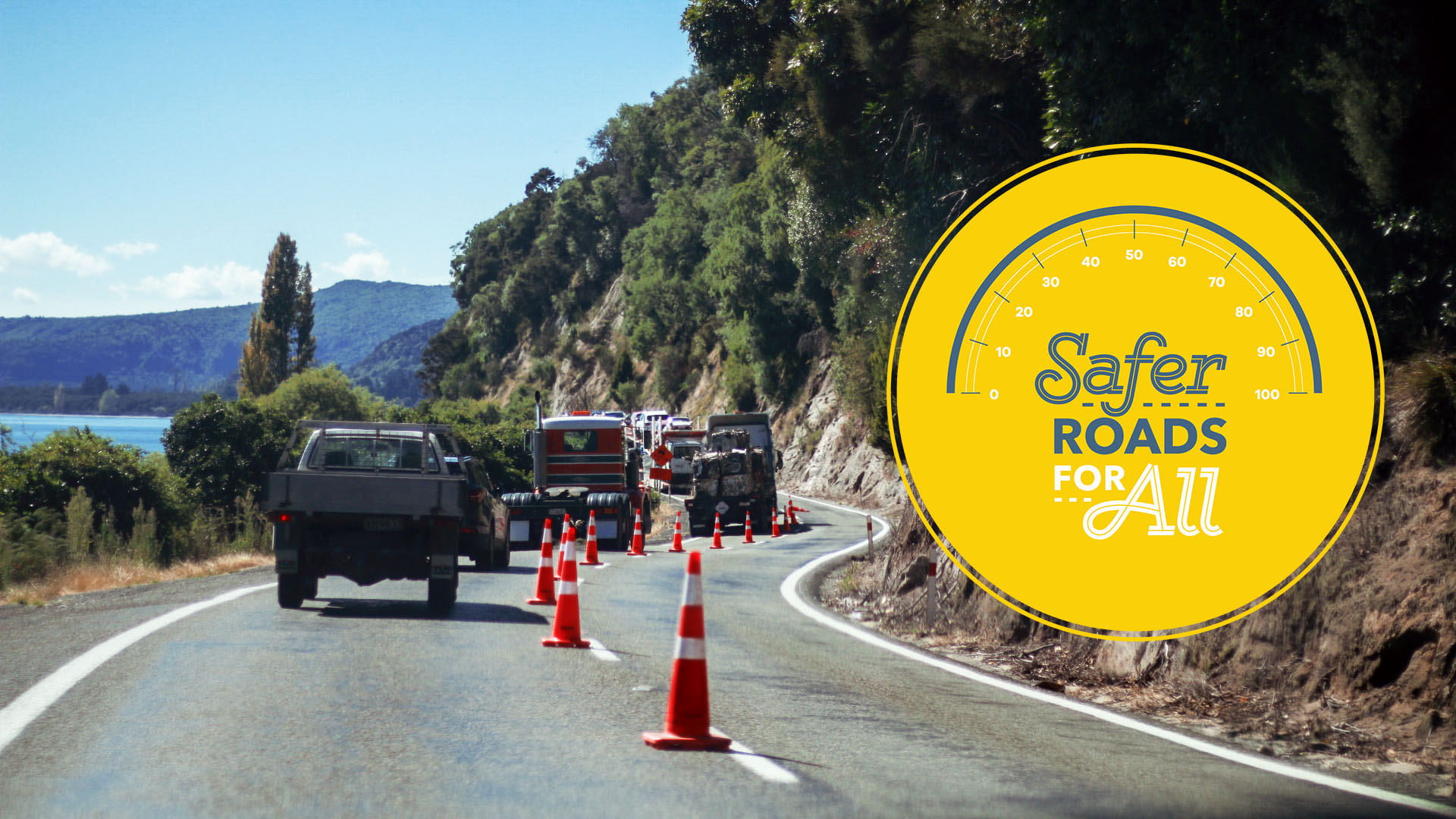
If we are going to reduce deaths and serious injuries on our roads, we need to address every part of the system, and that includes speed.
Regardless of what causes a crash, speed increases both the likelihood of a crash occurring and the severity of crash outcomes. A small change in speed makes a big difference, especially when cyclists or pedestrians are involved. Speed is the number one factor in determining whether you are killed, injured or walk away from a crash unharmed.
(source: NZ Transport Agency Waka Kotahi)
The road safety problem
Every week, seven people are killed and 54 people are seriously injured on New Zealand roads. In 2018, 377 people were killed and 2598 people were seriously injured.
Each death and serious injury has a devastating and long-lasting effect on families, whānau, friends and communities. There is also a social cost to the country of $4.8 billion a year.
In 2018, the Waikato had the highest number of road deaths of the county’s regions, with 69 deaths and 373 serious injuries. Every week six crashes resulting in death and serious injury happen in the region.
(source: NZ Transport Agency Waka Kotahi)
Regional Transport Committee
The Regional Transport Committee (RTC) is responsible under the Land Transport Management Act (LTMA 2003) for preparing the Regional Land Transport Plan for the region, and any variations to it.
The RTC also provide advice and assistance to Council, in relation to its transport responsibilities. It is important that the RTC member upskills their respective councils on regional transport issues, priorities, and policies so that when an individual council position is sought on a particular issue, the wider council is fully informed
It is made up of members representing Waikato Regional Council, all local District councils within the region, Waikato Police, and the NZ Transport Agency Waka Kotahi.
Speed management in the Waikato
Road Safety Strategy
The Waikato Regional Road Safety Strategy 2017-2021 outlines a vision of “Working together towards zero deaths and serious injuries on Waikato roads.”
It looks at a whole-of-system approach with key short-term priorities focusing on strengthening leadership, risk and evidence planning, speed management and high risk road users. The Regional Road Safety Strategy 2017-2021 is currently under review and key partners and stakeholders are planning how we will work together going forward.
Regional Speed Management Plan
The government has identified speed management as a key priority to address the national road safety problem. The focus is on treating the top 10% of the Waikato roading network that will result in the greatest reduction in deaths and serious injury as quickly as possible.
The RTC has been overseeing the work of the Regional Safe Network Programme Working Group on speed management. The role of the working group includes developing the draft Waikato Regional Speed Management Plan (WRSMP) for recommendation to the RTC.
The WRSMP aims to outline how local councils and regional stakeholders will work together to improve the consistency of speed management between districts, and advance speed management across the region.
Road to Zero
Road to Zero is our National Road Safety Strategy 2020-2030. The strategy outlines a plan to stop people being killed or injured on our roads. The vision for the strategy is: “A New Zealand where no one is killed or seriously injured in road crashes”.
This strategy will be implemented through a series of separate action plans that will outline the actions the Ministry of Transport (MOT) will take to drive change, as well as the timelines and responsibilities for implementing them.