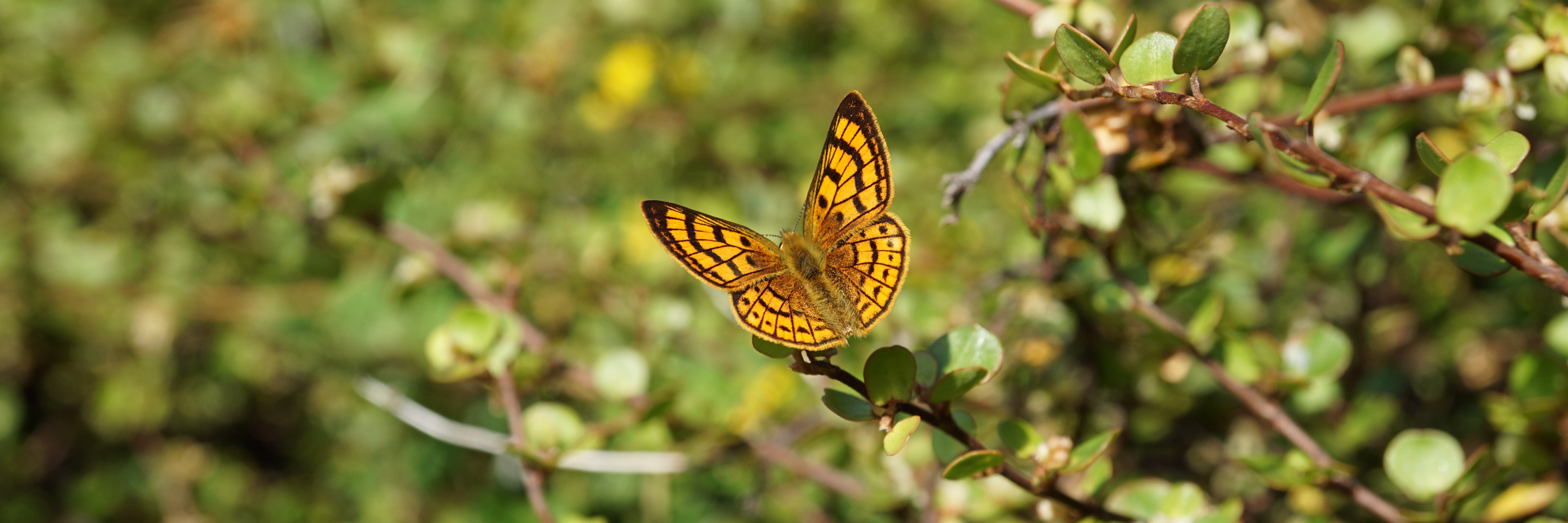
Biodiversity is an overarching term used to describe the different plants and animals you find in the environment. In New Zealand it is generally used to describe native plants and animals.
Waikato Regional Council supports landowners, community groups, iwi, and individuals to maintain, protect and restore native plants, animals and ecosystems across the Waikato region.
Every little bit helps – you can help by participating in a local restoration project, joining a community group, trapping pests in your backyard or farm, planting plants in your garden to attract native birds and/or adopting land use practices that promote ecological resilience and biodiversity.
Waikato Regional Council can help with your restoration project by providing advice and/or funding. We work with lots of different individuals, landowners, iwi entities and community groups to provide the help and support best suited for your project or property.
The Waikato region is highly valued for its ecosystems and indigenous biodiversity. In fact, there are some that can only be found in our region.
The Waikato Regional Biodiversity Strategy offers an opportunity to bring people together under a shared vision, with clear goals and coordinated action to protect and restore biodiversity in the region at a landscape scale.
Waikato Regional Council regularly monitors and reports on our region's coastal, freshwater and terrestrial (growing on the land and in the ground) biodiversity.
Our biosecurity activities are a vital component of the national biosecurity system. This system is designed to prevent, mitigate or minimise the impacts of pest species, which can have environmental, social, cultural and economic impacts.
The Collective Impact initiative was established in 2018 in response to research and community feedback and is intended to support efforts to strengthen biodiversity restoration led by Waikato community groups.
This guide is to help you restore your own gully, more information can be found at Hamilton City Council.
This guide provides information on various aspects of planting poplar and willow to ensure the best possible strike and survival rates.
Waikato landowners have developed a keen interest in creating, restoring and managing wetlands on their land. Use our wetland planting guide and restoration plan to guide your wetland restoration and management.
We've compiled a list of nurseries who can supply good quality eco-sourced native plants to landowners and groups undertaking restoration works.
This guide is for the Coromandel Peninsula, including the northern side of Waihi Beach, crossing west including the Karangahake Gorge almost to Paeroa, following the eastern bank of the Waihou River north to Thames. It includes coastal, lowland and hill country environments.
This guide is for the hilly land of Tahuna, Scotsman’s Valley, Richmond Downs, Te Miro, Whitehall, Horahora and Maungatautari, and the lowlands of Piarere, Karapiro, Tauwhare and Kiwitahi.
This guide is for the Central Volcanic Plateau, comprising two adjoining ecological districts. The Taupō ecological district stretches from Taupō to Turangi, occupying the basin between the Hauhungaroa range and the foothills of the Kaimanawa ranges. Ātiamuri ecological district is centered on the southern Waikato hydro lakes, bordered by the towns of Whakamaru, Horohoro, Reporoa and Taupō.
Read our plant index of native plants suitable for the Waikato region.