
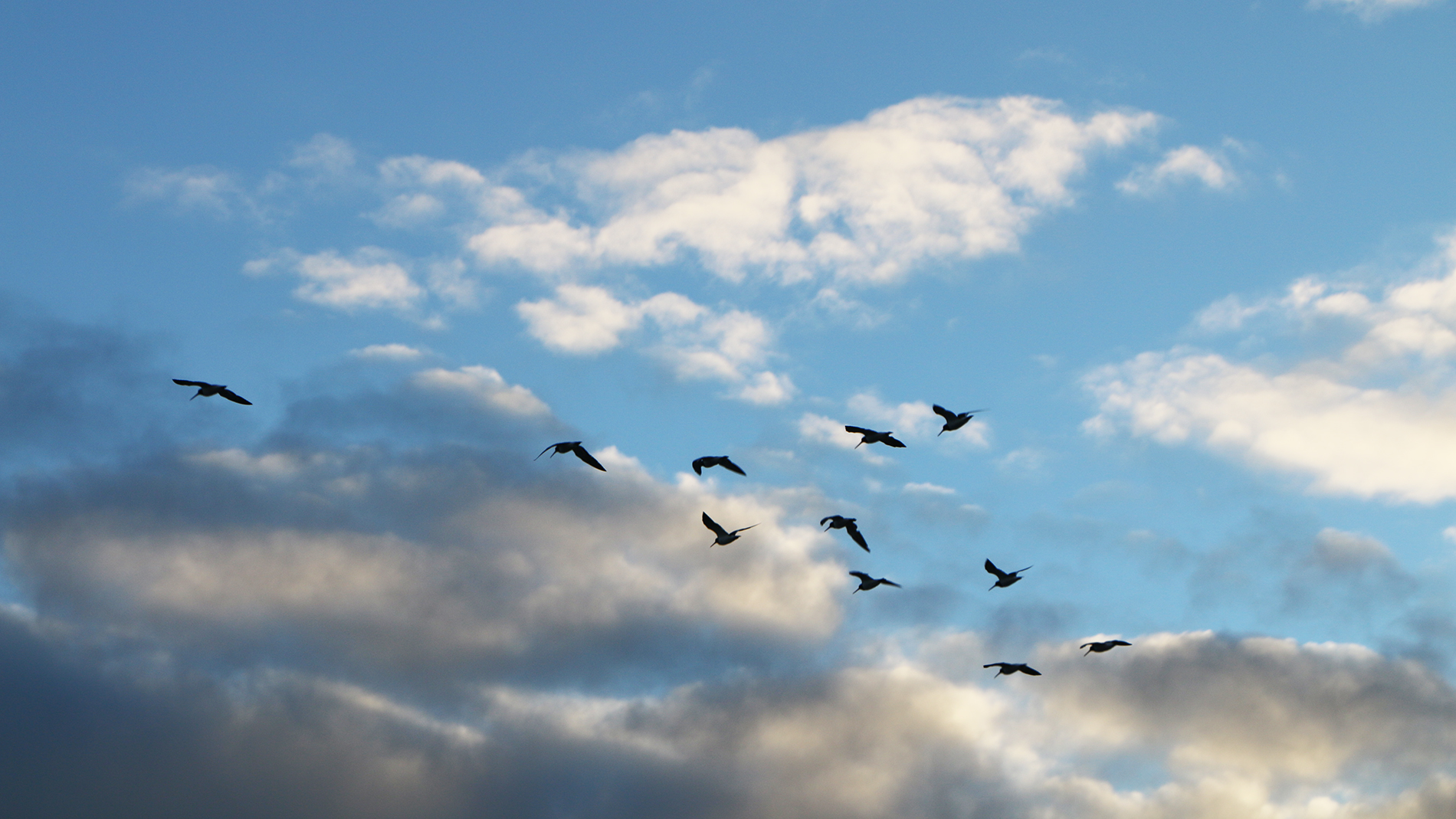
About the virus
Avian influenza, also known as bird flu, is a highly contagious virus that mainly affects birds. However, it can also spread to mammals – including people.
There are two types of avian influenza.
High pathogenicity avian influenza (HPAI), which can cause severe signs and high death rates in birds.
Low pathogenicity avian influenza (LPAI), which usually causes few or no signs of illness in birds. However, when a LPAI strain infects chickens, it can mutate into a high pathogenicity strain.
New Zealand has had LPAI for decades but has only had one case of HPAI – the H7N6 outbreak in Otago in December 2024, which was contained and eradicated.
In 2020, the new strain of HPAI (H5N1 2.3.4.4b) emerged in the northern hemisphere. This strain affects a much broader range of bird species (500+) and can spread more quickly over longer distances than previous strains. Birds that breed in colonies are particularly prone to infection and overseas it has caused the deaths of millions of birds, including poultry (chickens and turkeys), waterfowl (ducks, geese and swans), shorebirds (godwits, stilts and plovers) and seabirds (gulls and terns).
It has also spilled over to more than 60 species of mammal, including marine mammals, companion animals, livestock and, in a few cases, humans.
In 2023, it spread to the southern hemisphere. Since then, it has spread through South America to the sub-Antarctic islands and the Antarctic peninsula.
New Zealand remains free from H5N1. However, it has already spread to Antarctica and southern ocean islands, and H5N1-infected seabirds have now been discovered on the shores of Australia. This suggests its arrival in New Zealand is imminent.
H5N1 is expected to have severe impacts on our wild bird populations, potentially some marine mammal species, and pose a significant risk to the poultry industry.
Once established within wild bird populations, eradication of H5N1 won’t be possible, management options will be very limited, and it will affect the country indefinitely.
Consequently, planning and preparation for the arrival of H5N1 in New Zealand is focused on early detection, public health guidance, and rigorous on-farm biosecurity within the commercial poultry sector, rather than eradication.
Find out more
What is New Zealand doing about it?
Central government is taking a One Health approach in preparing for HPAI H5N1 reaching New Zealand. One Health is an integrated, unifying approach that aims to sustainably balance and optimise the health of people, animals and ecosystems.
Under the One Health approach, the Ministry for Primary Industries (MPI) is the lead agency supported by the Department of Conservation (DOC), the Ministry for Health (MOH) and Health New Zealand | Te Whatu Ora. They have plans in place to:
- Reduce the impact on highly threatened native species (including vaccinations for a few).
- Reduce the impact on the commercial poultry sector.
- Maintain supply of poultry meat and eggs to the domestic market and access to overseas markets where possible.
-
Protect human health.
Communication planning is ongoing to ensure the public have a good understanding of how New Zealand will respond when HPAI arrives.
What is Waikato Regional Council’s role?
Waikato Regional Council is contributing to the preparedness programme by providing advice and support from a regional sector perspective. We are also working with all the local councils in our region to ensure they are prepared for HPAI H5N1 arriving in New Zealand.
Once HPAI reaches New Zealand, our role will primarily be to help disseminate information and provide advice to the public. We will continue to work with the other agencies involved to determine any other support we can provide.
If you see three or more sick or dead wild birds in a group, report it immediately to the MPI exotic pest and disease hotline on 0800 809 966. Do not handle or move the birds.
Provide as much detail as you can, including:
- a GPS reading or other precise location information
- photographs and videos of sick and dead birds
- species name and estimate of the numbers affected
- how many are sick or freshly dead, and the total number of birds present.
MPI will note the details and an incursion investigator will contact you.
Minimise contact with dead and dying birds
Once HPAI H5N1 arrives in New Zealand there is the potential for staff to encounter dead and dying birds during their day-to-day work. People can contract HPAI from handling infected birds and carcasses. Therefore, wherever possible, do not handle or move the birds.
If it is essential to handle dead birds, PPE requirements provided by Health NZ | Te Whatu Ora must be followed.