
“Rather than trying to predict exactly what the Waikato will need decades from now, the adaptive approach set out in our Water Security Action Plan means taking pragmatic steps now, preparing future options, monitoring environmental indicators for signs that further action is needed, and investing when the time is right.”
Thomas Wilding, Hydrology and Groundwater Team Leader, Waikato Regional Council
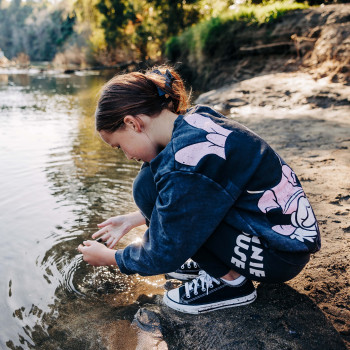 Water is one of the Waikato region’s great natural advantages.
It supports our towns and cities, productive land and businesses. It generates electricity, sustains ecosystems and provides places of cultural and recreational significance.
Recognising the growing challenges facing this resource, Waikato Regional Council has adopted a Water Security Action Plan to help the region prepare.
While the Waikato has historically been water-rich, we can’t assume this resource will always be so readily available as our population grows and our climate becomes drier.
The Waikato experienced its driest decade on record between 2011 and 2021, alongside more frequent short dry periods, higher summer temperatures and increasingly variable rainfall.
For example, between 1907 and 2007 there were only two occasions when our Ruakura rainfall gauge recorded less than 90mm of rain over a three-month period. Since 2008, there were eight occasions with less than 90mm of rain.
Prolonged dry conditions can reduce agricultural production, stress aquatic habitats and wetlands, and affect hydropower generation.
When river flows fall sufficiently, restrictions on water takes – which are managed by Waikato Regional Council – may also be necessary to protect river health and essential supplies.
Climate projections considered in the Water Security Action Plan indicate that, by 2090, the time parts of our region spend in drought could more than double.
As those pressures grow, so does the value of planning ahead.
 Getting smarter with the water we have
Waikato Regional Council Hydrology and Groundwater Team Leader Thomas Wilding says water security starts with making better use of the water we already have.
“Reducing leakage, improving irrigation efficiency, protecting and monitoring groundwater, strengthening drought planning and increasing water reuse can all help. So can improving soil water retention, shading streams and ensuring future development reflects local water availability.
“There is no single solution. The right mix will depend on where pressure is emerging, how quickly it is developing and the needs of individual communities and catchments.
“And, while some of the solutions sit within the council’s remit, many do not, which is why our planning emphasises a joined-up, multi-agency approach.”
Better information means better investment
Knowing when to invest is just as important as knowing what to invest in.
Building major water infrastructure too early can impose unnecessary costs on communities. Leaving it too late risks restrictions, environmental damage and lost economic opportunities.
“Rather than trying to predict exactly what the Waikato will need decades from now,” says Thomas, “the adaptive approach set out in our Water Security Action Plan means taking pragmatic steps now, preparing future options, monitoring environmental indicators for signs that further action is needed, and investing when the time is right.”
Those future options could include managed aquifer recharge, new reservoirs or reuse of treated wastewater, for example.
Keeping several options available reduces the risk of investing too much, too soon; or too little, too late.
 Planning at catchment scale to meet local needs
Water security is a regional challenge, but the pressure is not distributed evenly.
The Water Security Action Plan directs effort towards the areas under greatest pressure now while recognising that different places will require different solutions.
The Piako catchment, for example, is already experiencing reliability and environmental pressures that warrant investigation of future storage and other catchment-specific solutions.
The Waikato catchment faces a different challenge. Around 20 per cent of the Waikato River’s flow currently comes from water diverted from the Whanganui catchment through the Tongariro Power Scheme. The scheme's current resource consents to deliver this water expire in 2039, creating the need for ongoing discussions about the long-term availability of this additional water source.
Planning catchment-by-catchment allows our region to respond to those different realities rather than reaching for a one-size-fits-all solution.
Making the big decisions together
Water connects communities, businesses, ecosystems and places. Therefore, securing it cannot be the responsibility of one organisation alone.
Waikato Regional Council’s Water Security Action Plan aims to bring mana whenua, councils and significant water users together in priority catchments to define what successful water security looks like, identify actions and help shape future initiatives.
 That collaboration matters because communities need reliable drinking water. Rivers need sufficient flows for healthy ecosystems. Mana whenua have cultural relationships, rights and interests associated with wai. Farms and industries need confidence to operate and invest. And growing communities need resources to support development.
Good decisions are about more than calculating how much water is available. They’re about managing competing needs.
And water security is about more than simply having enough water to get through the next drought. It’s about intergenerational resilience – making smart choices today so the Waikato’s environment, communities and economy can continue to prosper for generations to come.
To find out more about water security in the Waikato region and our plans for a more resilient future, check out our Water Security Action Plan.