
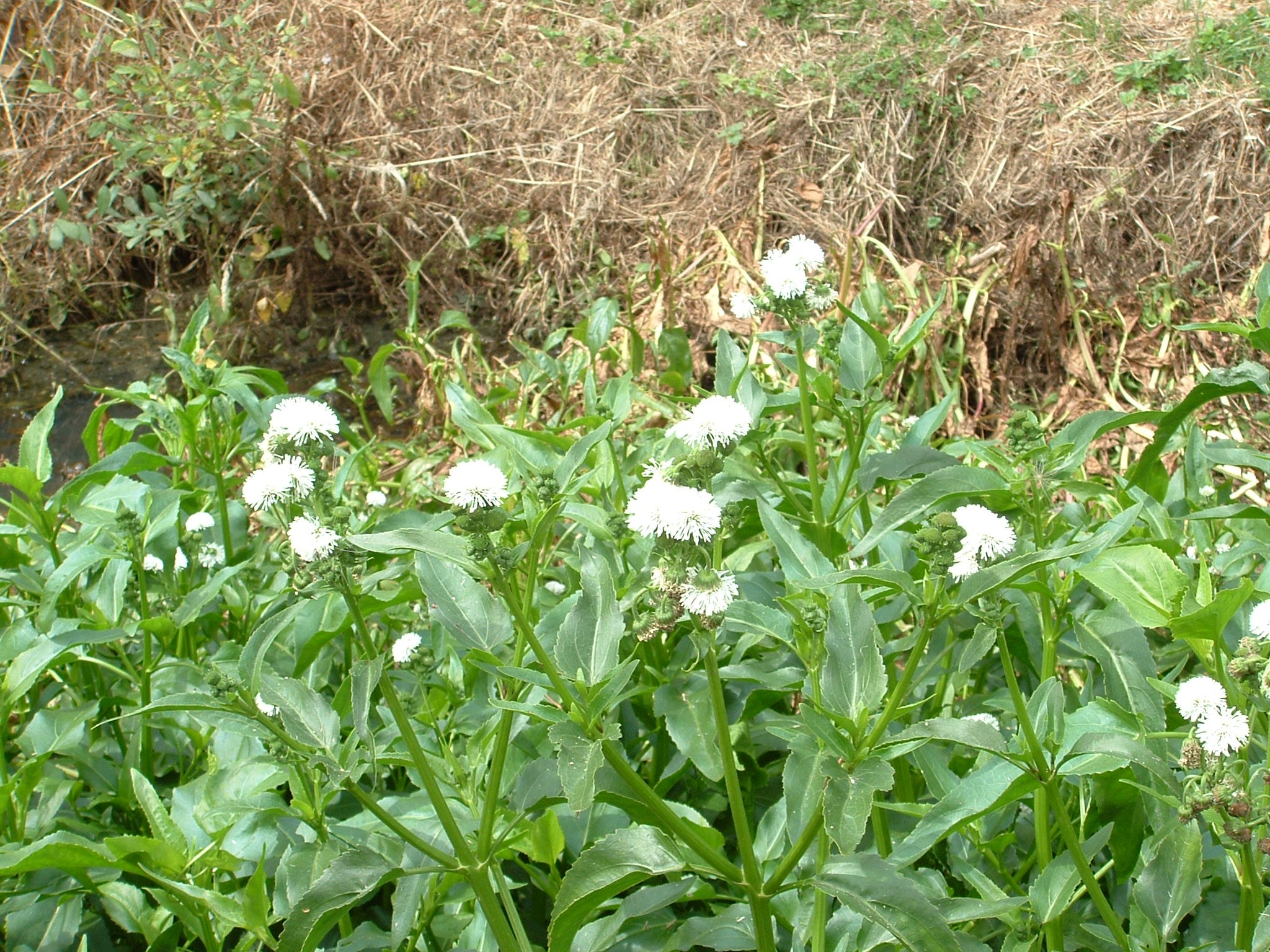
At first glance, Senegal tea (Gymnocoronis spilanthoides) appears fragile. However, even a small torn piece of leaf can be enough for the plant to re-establish itself. Seeds can also persist in soil, forming what is known as a seed bank, or be carried downstream by currents until conditions allow them to grow.
This resilience makes Senegal tea, which is listed in the Regional Pest Management Plan (RPMP), particularly difficult to eradicate once it’s established in a waterway. It is also why a coordinated programme of research, monitoring and fieldwork is under way to eliminate it.
While many pest plants are listed in the RPMP, resources are limited and not all can be eliminated at once. Senegal tea has been prioritised for eradication due to the relatively contained nature of its current infestation, which makes removal achievable with consistent effort.
From the air: mapping the infestation
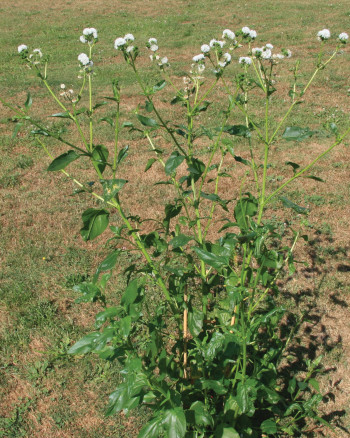
Senegal tea plants can grow up to 1.5 metres
Understanding the extent of an infestation can be challenging from the ground. Drone technology has provided a clearer picture by enabling detailed aerial surveying and mapping.
Drone flights took place between 29 October and 1 November 2025, with dedicated survey days used alongside spraying to maximise efficiency and coverage.
Flights extended up to one kilometre upstream from the last known sighting to help define the upstream limit of the infestation and confirm its overall spread.
It was found that the Waikato Delta site spans 7 kilometres, making it the second largest Senegal tea infestation in New Zealand after Hawke’s Bay. Unlike other sites, it is both tidal and located in a delta environment, which adds complexity to management efforts.
Fortunately, Senegal tea does not tolerate saltwater, meaning plants that reach the estuary or ocean die. This natural limitation helps define the downstream boundary of the infestation.
Testing what works in the field
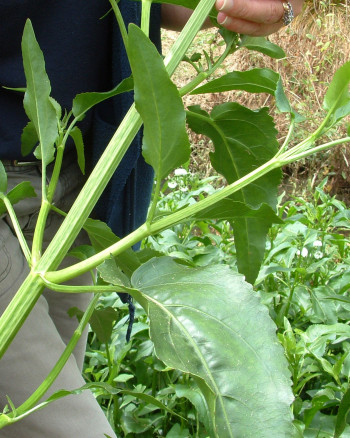
The plant’s lance-shaped leaves are dark green and slightly waxy (2cm-20cm long) with serrated slightly wavy edges.
Mapping the infestation is only the first step. Determining the most effective way to eradicate Senegal tea is equally important.
A series of herbicide trials are under way, combining field trials and laboratory research. These field trials are being led by a Master’s student who is also employed as a pest plant officer, bringing practical and scientific expertise together.
In the field, trial plots were established in the Waikato Delta. Each herbicide treatment was replicated three times and compared with untreated control plots to ensure reliable results. Different herbicides, applied both individually and in combination, were sprayed using drone technology.
Harvesting the biomass tells us how effective the herbicide was at killing the entire plant. The more effective the herbicide is, the less plant material will be left.
After two rounds of monitoring, one treatment is already emerging as particularly effective. At the same time, the wider infestation has been treated with an aquatic-approved herbicide to suppress spread while research continues.
Looking below the surface
Above-ground results do not tell the full story. Earth Sciences New Zealand (ESNZ, formerly NIWA) is also carrying out pot trials to measure how much plant biomass exists below the surface. Like an iceberg, much of Senegal tea’s biomass is hidden under the surface.
Seed banks and long-term success
Bioeconomy Sciences (formerly AgResearch) is doing the seedbank research, including a focus on how dense they are, how long seeds remain viable, and how long they persist in sediment. Scientists are spreading the sediment over trays, wetting it and then counting how many Senegal tea plants emerge. They repeat this process twice, which gives the seed viability per square metre, with longevity determined by a controlled ageing test.
By combining drone surveillance, field trials, seed bank research and monitoring, we are building a much clearer understanding of Senegal tea. This integrated approach gives us the best possible chance of eradicating it from the Waikato Delta and preventing its return.
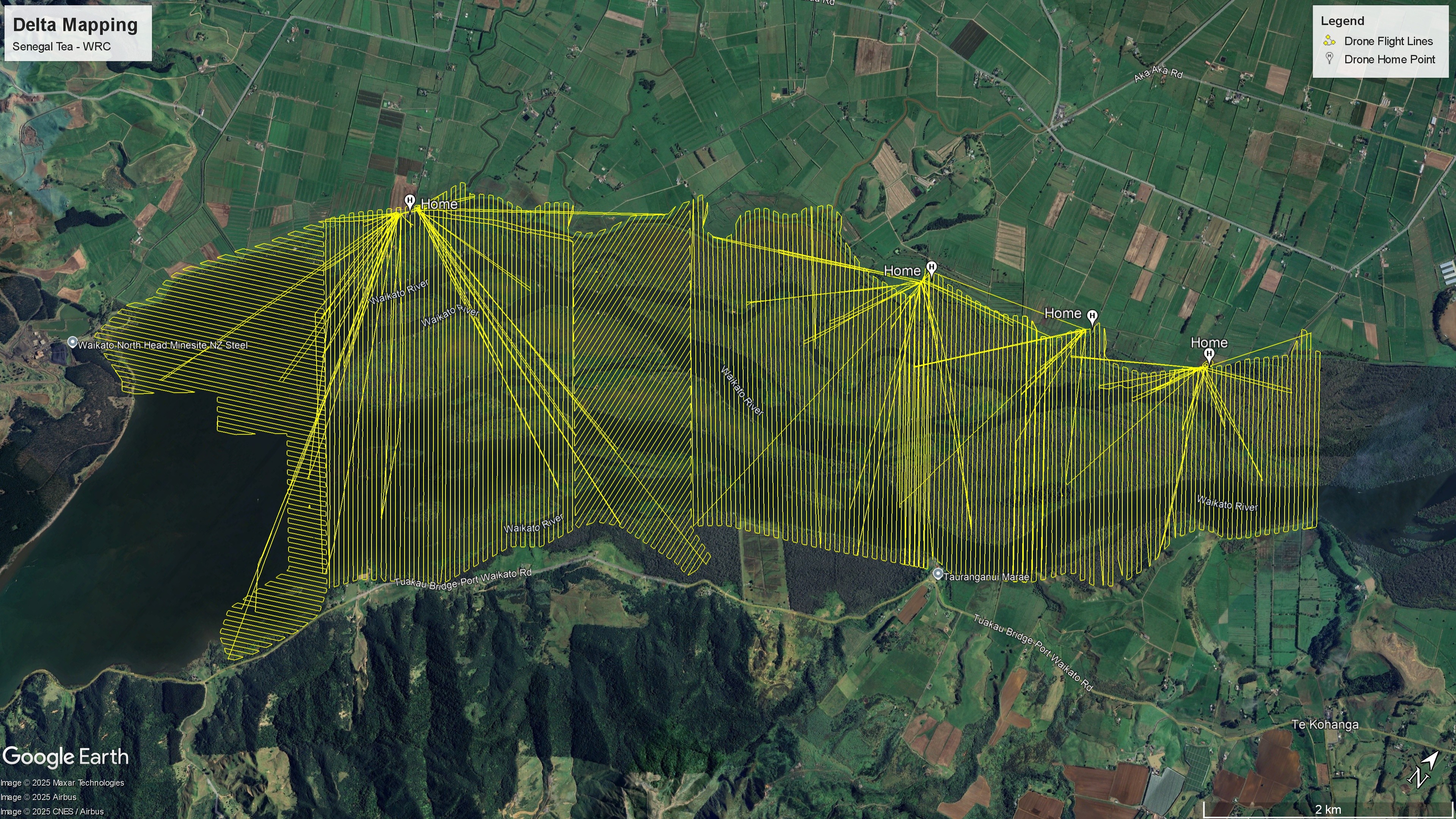 Drone mapping has revealed the extent of the infestation in the Waikato delta.