
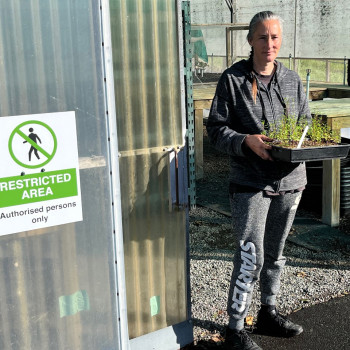
Working in a restricted area.
Since committing to stronger plant health and biosecurity practices, a small Waihi nursery is not only looking and operating smarter, but staff are taking more pride in their work.
Waihi Native Plants is one of nine Waikato nurseries working towards Plant Pass certification, which means it’s actively transitioning from informal or “ad hoc” practices to a formal, verified biosecurity system.
Plant Pass is an industry-led plant biosecurity certification programme supported by Waikato Regional Council, a major plant buyer and planter. It is Aotearoa New Zealand’s voluntary certification scheme for plant producers, designed to reduce the spread of pests, weeds and plant diseases through plant supply chains.
Waihi Native Plants operations manager Warren Coffey says becoming Plant Pass certified is important to him personally and professionally.
“As a horticulturist and an ecologist, it matters to me that we’re ecosourcing seeds, growing plants, selling plants and planting plants in a way that doesn’t inadvertently spread diseases,” he says.
The certification process requires plant producers to carefully consider how plants, people, vehicles and equipment move through their operation, and how biosecurity risks are managed at each step.
Once registered, nurseries get training plans and resources, including guidance on weed, pest and disease identification, hygiene standards and procedures, and plant traceability.
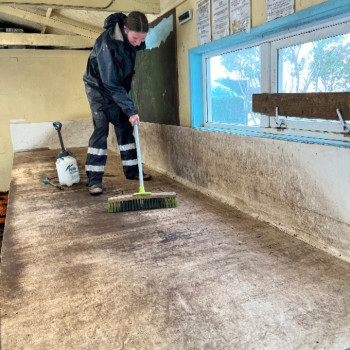
The potting bench being cleaned and sterilised.
There is no set timeframe between registration and certification, but registered producers are asked to commit to working towards certification within two years. How long it takes depends on how much work is required, and the time, priority and resources a nursery can give the process. When ready, a Plant Pass-approved external auditor will assess whether the Plant Pass biosecurity standards are being met – and continues to be met over time.
“It’s quite a big job but it’s all good learning,” says Warren, who is six months into the journey after completing an initial internal audit to identify gaps in the nursery’s processes.
“It really makes you think about the things you need to be thinking about – and it’s what we should be doing!”
Waihi Native Plants was started as the Habitat Enhancement and Landcare Partnership (H.E.L.P) more than 20 years ago by volunteers wanting to beautify the town’s historical areas, waterways, trails and walkways.
In the past three to five years, the nursery – now a more commercial arm of H.E.L.P – has expanded significantly.
It supplies plants and provides planting services to landowners, councils and other organisations, including nursery sales, site preparation, planting of native plants, pest plant control, ecological restoration assessments and project planning, and erosion control work.
For Warren, committing to Plant Pass certification provided the impetus to invest in the nursery.
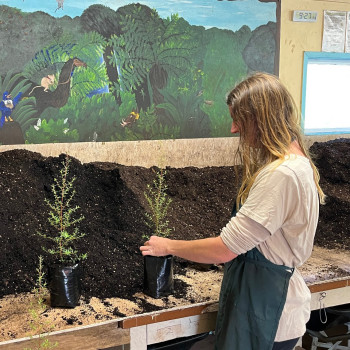
Apron worn to pot up Myrtle rust-susceptible plant species.
“It allowed me to upgrade the nursery,” he says.
“The nursery infrastructure is around 20 years old and parts of it needed some renovation and improvements to meet the higher biosecurity and hygiene standards required by the Plant Pass standards.
“This has been an improvement on different levels, as now staff can clean surfaces and surrounds much easier and more hygienically, and we can take pride and satisfaction in our buildings, such as the potting shed and greenhouse, and feel confident the plants are being propagated in a hygienic space and manner.”
Other changes are obvious across the site.
“The grounds look much tidier, and we have clear biosecurity signage – where to park, restricted areas, where visitors can go and can’t. The biosecurity side of things is more visible.”
Staff have also been trained and given more responsibility.
“They can see the benefits of that responsibility and are taking more pride in the job. The practices are now pretty straightforward and routine: cleaning, weeding, monitoring plants, record-keeping. It’s become ingrained.
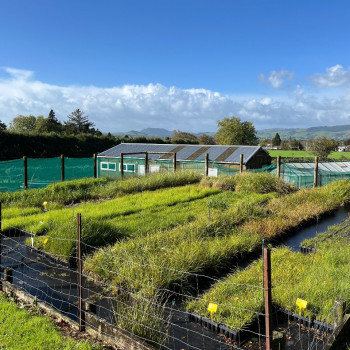
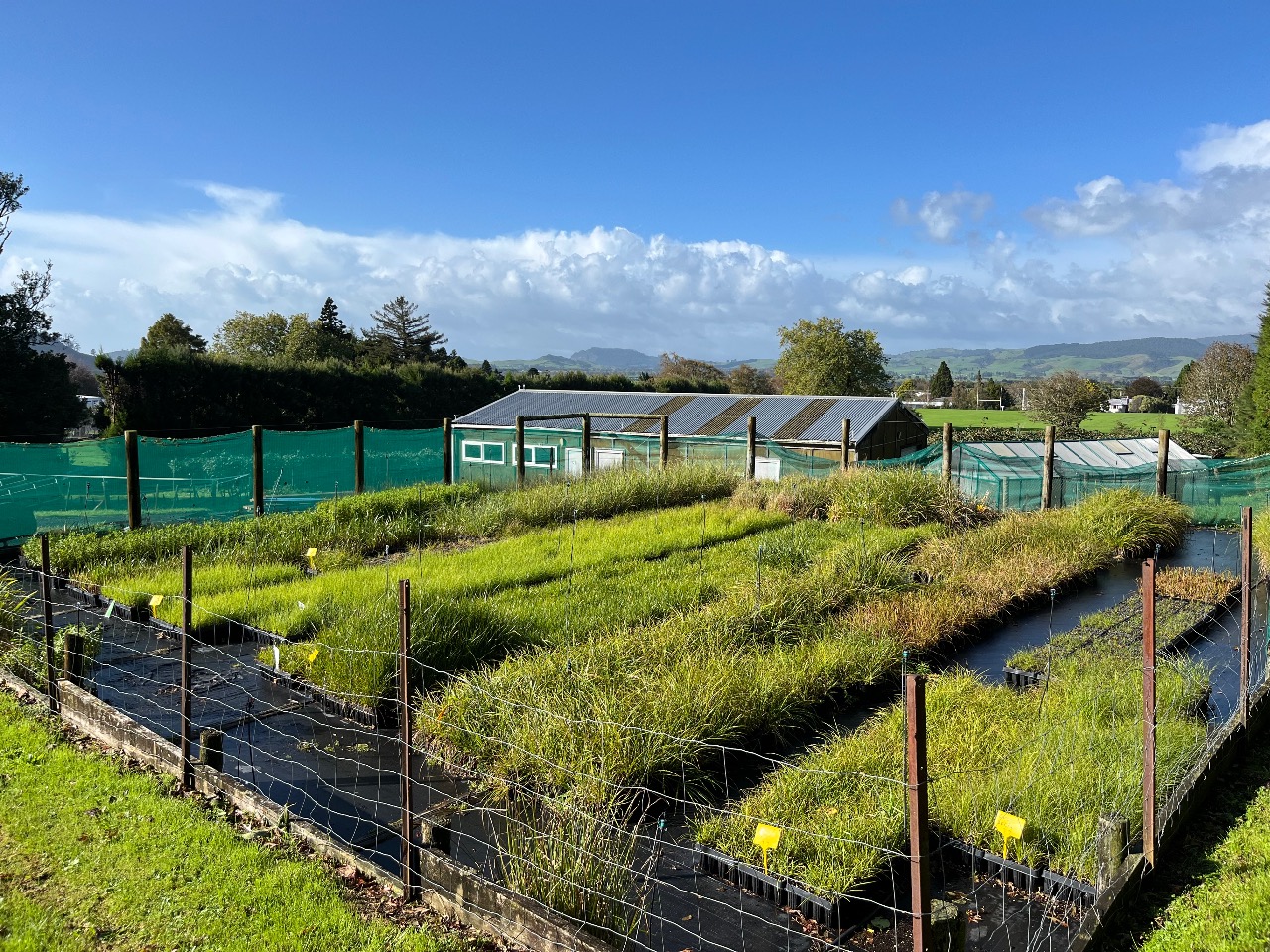
A stand-out bed of healthy plants.
“It sounds like stuff we should have been doing, and we were – but more in an ad hoc way. Now it’s streamlined and we have proper structures in place. It all looks so much better, and once we are certified, it will improve our outlook even more.
“It will allow our customers to visually see the biosecurity measures we have implemented – they can be confident they are receiving plants that are not compromised by plant pathogens.”
Waikato Regional Council Pest Plants Team Leader Darion Embling says Plant Pass certification reassures the council, as a plant buyer, that nurseries are taking biosecurity seriously.
“It means that if a pest or disease is found, there are systems in place to enable a response. We really value the commitment shown by nurseries choosing to go through this process.”