
"There is quite a bit of work involved in monitoring but it's a real morale booster when you see the pest numbers falling and the bird numbers increasing,"
- Akasamati Thompson, Sudarshanaloka trust member
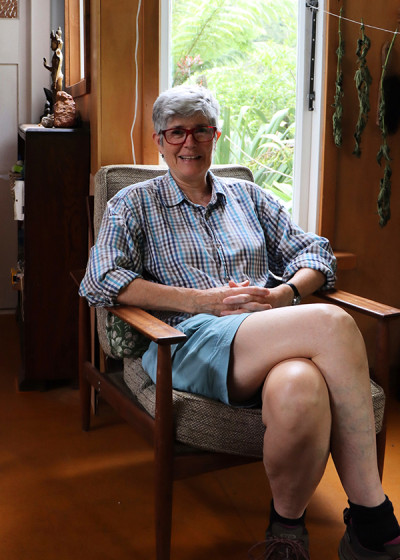
Trust member Akasamati says it’s been a morale booster to see bird numbers increasing
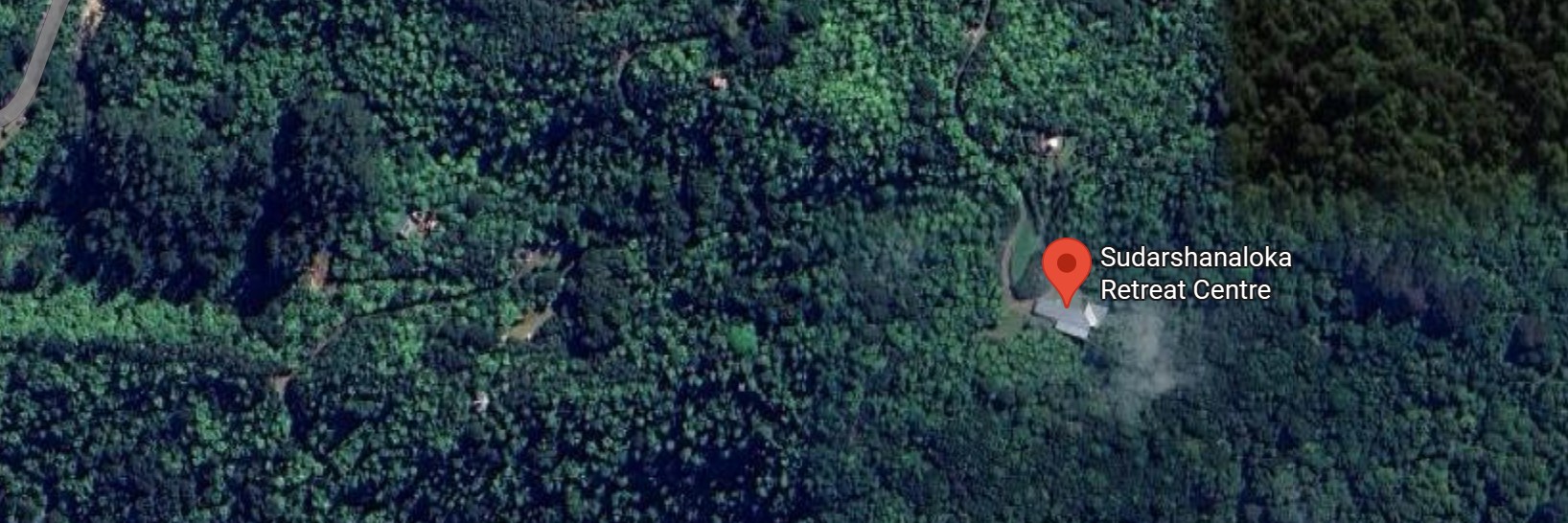
Driving up a winding gravel road, a visit to Sudarshanaloka near Thames feels like the definition of getting away from it all. Sitting on just under 87 hectares of thick bush, the natural environment is an integral part of Sudarshanaloka, a Triratna Buddhist Retreat Centre.
Connected to the bush-clad block since 1993, four years ago the kaitiaki (guardians) realised that something was wrong and getting worse, says trust member Akasamati Thompson. Bird life was declining, and pest species such as possums, mustelids and rats had taken a foothold.
Something needed to be done, but this presented an ethical dilemma for the Buddhists, whose first precept is to abstain from taking life. All life, including pests.
After much soul-searching over two years, the community decided to begin trapping the pests that were decimating the precious bush and destroying the birdlife. The Suvana (meaning beautiful forest) project was born.
“At the start of the Suvana Project we wanted to follow best practice and include monitoring in our activities. It’s one thing to log the number of animals trapped but knowing whether that is actually having a positive effect on the bush and birdlife is the real test of whether all the work is worth it. There is quite a bit of work involved in monitoring but it's a real morale booster when you see the pest numbers falling and the bird numbers increasing,” Akasamati explains.
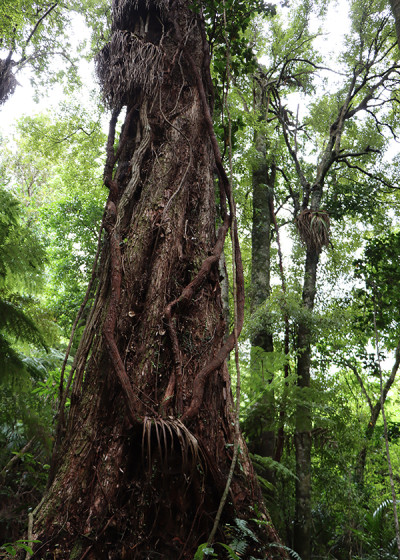
A magnificent Rata tree in the active trapping area
Needing support on their journey, the group reached out to Aaron Pulford from Predator Free Hauraki Coromandel who, along with WRC biodiversity officer Renee Denby, worked to get Suvana off the ground. “We couldn’t have done it without them,” Akasamati says.
Once the baseline data was collected, trapping commenced in 2023. The group has kept the initiative small, determined to make it sustainable. “Otherwise, all the loss of life would have been wasted,” explains Akasamati.
Last year, the Suvana project received a Small Scale Community Initiatives Fund grant from Waikato Regional Council to install three more AT220 Autotraps and 10 more DOC 200 traps. Council‘s Biodiversity Partnerships Lead Nicky Ismay says it has been a great project to support. “Council really values the commitment shown by the Sudarshanaloka community to protecting and restoring the ngahere (bush),” she says.
With support from members of the community, who help with clearing the traps, there has been a marked decline in the number of pests on the ground.
And Suvana has sparked something of a movement in the valley, Aaron says, with other groups in the valley following their lead. “They’ve done extremely well,” Aaron concludes.
“It’s an amazing project,” says Aaron, adding that he was honoured to be part of the journey the Buddhists have taken over the past two years.